Okay, so check this out—I’m biased, but hear me out. Wow! The Solana ecosystem moves fast. Really fast. My first impression was simple: speed matters. Then I tried a couple wallets and my instinct said, “Somethin’ here feels slicker.” Hmm… it wasn’t just speed. There was a whole vibe to managing NFTs on Solana that felt different—lighter, less clunky, more like using a favorite app than wrestling with crypto tech.
At first I thought a wallet was a wallet. Actually, wait—let me rephrase that. Initially I thought all browser wallets needed to be ultra-serious and feature-heavy. But the more I dug in, the more I realized usability mattered way more to everyday NFT collectors. On one hand you want ironclad security; on the other, you want to click once and mint without sweating. On the surface that sounds obvious, though actually getting both is a separate challenge.
Here’s what bugs me about some wallets: onboarding feels like filling out taxes. Ugh. Seriously? That kills momentum. With Solana, transactions are cheap and fast, which lets the UI do the heavy lifting. My instinct said that a wallet that matches that UX would win hearts. And it does—if the extension’s designed right. Oh, and by the way, there are subtle design choices that make or break trust (like how seed phrases are shown, or whether you can hide balances).
How Phantom Feels Like a Wallet Built for People
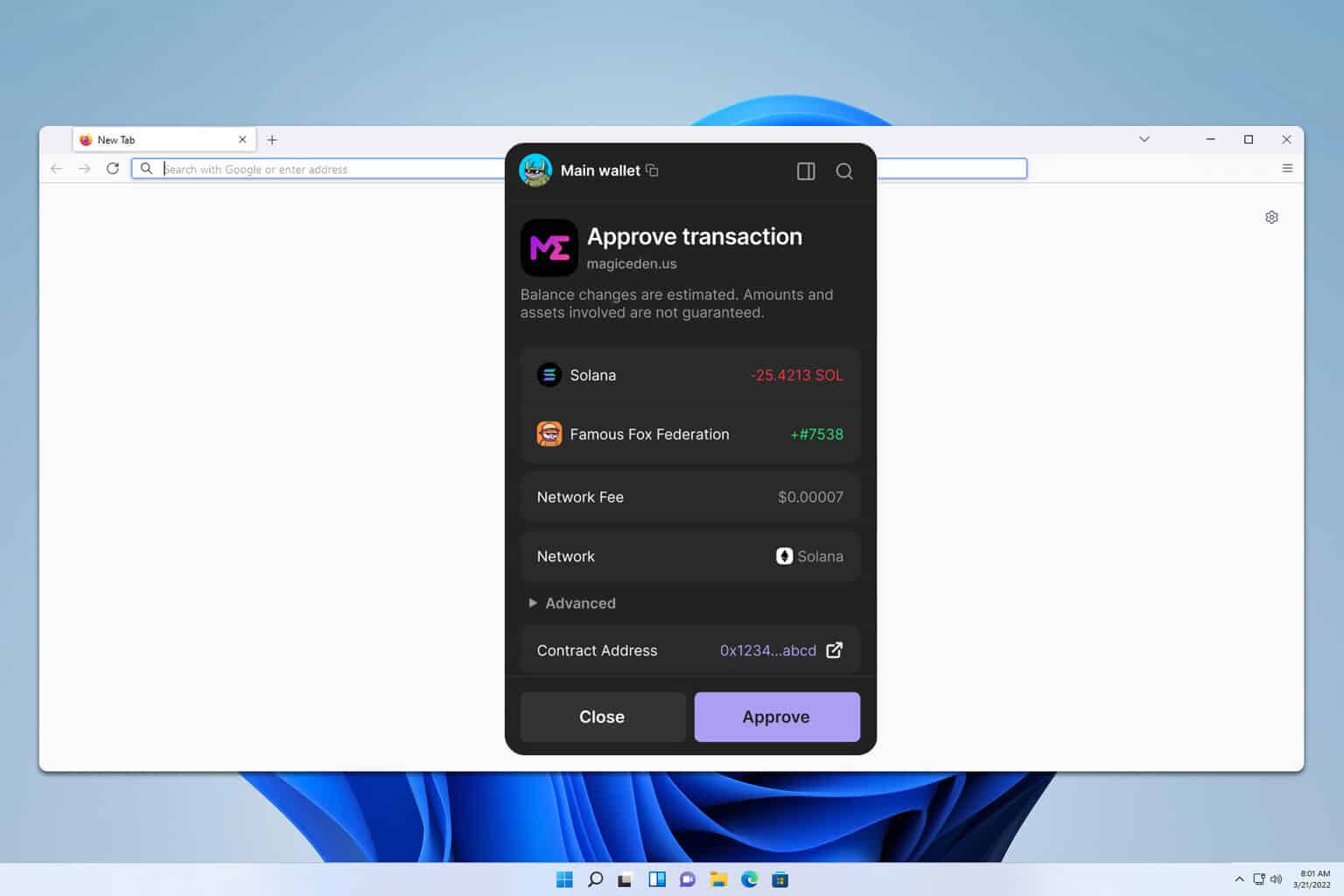
I remember the first time I used the phantom wallet. Wow! It loaded fast. The setup took a few minutes and then I was in. My gut reaction: this is how it should be. The UI is clean and the flow nudges you to learn without being preachy. On the analytical side, Phantom balances security with usability—hardware wallet support, clear transaction signing, and a sane permissions model. On the emotional side, it just feels trustworthy, which matters more than you think.
One thing that surprised me was how Phantom handles NFTs. Short story: thumbnails everywhere. Medium story: it caches images and metadata so galleries load quick, which for collectors is huge. Long story: the team thought through edge cases—like minted tokens that still reference IPFS CIDs that aren’t pinned; they give you tools to inspect and, if needed, relink. There’s a level of polish that says someone there actually uses NFTs daily, not just writes specs about them.
My instinct sometimes lies. Initially I assumed mobile apps would be the only way to keep keys handy. But the Phantom extension bridges that gap with secure key management and optional mobile pass-throughs (if you pair it that way). On one hand, having your seed phrase in a browser extension sounds risky. On the other, Phantom uses encryption and OS protections, and it gives you warnings that are clear without being terrifying. I’m not 100% comfortable with any single-solution approach, though Phantom’s design reduces many of the usual browser-extension worries.
Here’s the thing. Wallets live at the intersection of psychology and cryptography. People want clear confirmations, readable addresses (or name-resolution), and fast feedback. They also want rollback-free transactions—no do-overs. Solana’s low fees and quick finality mean mistakes cost less, but design still needs to prevent them. Phantom invests in microcopy and prediction heuristics (like clearly labeling which network you’re on), which prevents a surprising number of fat-finger errors.
Sometimes I ramble—sorry, but it’s human. Anyway, Phantom makes connecting to NFT marketplaces easy. It requests only the permissions needed. It doesn’t flood you with modals. That matters when you just want to list or buy a piece from an artist you found on Twitter. Quick flow keeps momentum in your favor. Momentum matters. A lot.
What Works, What Kinda Bugs Me
What works: quick transactions, simple NFT galleries, and a vibes-friendly UI. What bugs me: occasional metadata hiccups (not always Phantom’s fault), and sometimes the desktop/mobile sync feels like two different animals. I’m not saying it’s broken—just that the experience can be slightly inconsistent depending on the device. On the technical side, Solana’s ecosystem is evolving and that means wallets must adapt fast. Phantom does adapt, but sometimes updates introduce minor UX regressions. That’s the messy reality of a growing chain.
Also, the permissions prompts are good but could be clearer about long-term risks. A casual user might approve something and forget about it. A small nudge or periodic permission audits could help—like a yearly security check-in that says, “Hey, you granted this dApp persistent access; still cool?” Little features like that would reduce attack surface. I know, I know—adding features sometimes adds complexity. Trade-offs everywhere.
My fast brain says “this is safe enough.” My slow brain says “audit, verify, repeat.” On one hand that cognitive tug-of-war keeps me cautious. On the other, it makes me appreciate wallets that give me both confidence and quickness. Phantom walks that line well. There are competitors doing interesting things, but for NFTs on Solana, the extension experience Phantom offers is especially compelling.
Tips for Using a Solana NFT Wallet (Practical Stuff)
Start small. Test with a tiny amount. Seriously. Use a few low-value transactions to learn the flow. Back up your seed phrase offline—not on cloud notes. Consider a hardware wallet for large holdings. Check token metadata in the extension before you accept unknown NFTs (some are spammy). Keep a separate account for experimental mints and a primary account for long-term holds. Also: if a dApp is asking for persistent signing without reason, question it.
Pro tip: label your accounts. On the Phantom extension you can name wallets so you don’t send a home-run NFT to your “test” wallet by accident. That saved me once—luckily it was just a dud project, but it could’ve been worse. Small workflows like that drastically reduce dumb losses.
Frequently Asked Questions
Is a browser extension safe for storing NFTs?
Short answer: mostly. Long answer: safety depends on practices. Use strong OS security, don’t store your seed phrase online, and consider hardware backups. Extensions can be safe when they follow best practices, but you should treat keys like cash—protect them.
Can I use Phantom on mobile and desktop together?
Yes. Phantom offers both an extension and an app. Pairing can let you move between devices, though sometimes features arrive on one platform before the other. If synchronized workflows are crucial, test them early so you know what to expect.
What about gas fees on Solana for NFTs?
They’re typically very low compared to other chains. That reduces friction for creators and buyers, and it makes iterating (mint, burn, relist) much more practical. Cheap fees don’t replace good UX, but they sure help.